What Is Indemnity Insurance? A Simple Guide for UK Businesses
This article focuses on indemnity in the context of business insurance, rather than personal or household policies. It is intended to explain the concept of indemnity in plain English and outline how it applies across different types of business insurance (this is not advice).
What does ‘indemnity’ mean?
In insurance terms, indemnity describes the principle of protection. It refers to the idea that an insurance policy is designed to restore the insured party, as far as possible, to the position they were in before the insured loss occurred rather than to provide a profit or financial gain.
Indemnity is not a standalone insurance product commonly requested in the UK. Instead, it is a concept that underpins many different types of insurance policies. Most businesses purchase specific covers, such as public liability or professional indemnity, which operate on an indemnity basis.
Depending on the policy and the circumstances of a claim, indemnity may be provided through repair, replacement, reinstatement, or by paying compensation and associated costs to a third party, subject to the terms, conditions, and exclusions of the policy.
How indemnity applies to different types of business insurance
Indemnity forms the basis of many business insurance policies, including (but not limited to):
Public liability insurance
Public liability insurance typically provides indemnity against claims from third parties who suffer injury or property damage arising from your business activities. This type of policy is usually written on a claims-occurring basis, meaning the insurer at the time the incident happened generally responds to the claim, subject to policy terms.
Employers’ liability insurance
Employers’ liability insurance provides indemnity against claims from employees who are injured or become ill as a result of their work. In the UK, most employers are legally required to hold at least £5 million of cover under the Employers’ Liability (Compulsory Insurance) Act 1969, although most insurers provide £10 million as standard.
Professional indemnity insurance
Professional indemnity insurance is one example of indemnity cover designed to protect businesses that provide advice, design, consultancy or other professional services. It may respond to claims alleging negligence, errors or omissions in those services.
Professional indemnity policies are typically written on a claims-made basis. This means the policy in force when the claim is made rather than when the work was carried out is the one that may respond, subject to a policy’s retroactive date and other terms and exclusions.
Property and contents insurance
Indemnity can also apply to insurance covering business premises, equipment or contents. For example, if insured property is damaged, the policy may provide repair or replacement rather than a cash payment, depending on the policy wording.
Claims made vs claims occurring policies
Understanding how claims are triggered is an important part of understanding indemnity:
- Claims occurring in policies (commonly public liability) generally respond based on when the incident occurred.
- Claims made on policies (commonly professional indemnity) generally respond based on when the claim is first made against you.
For claims-made policies, a retroactive date is often applied. This is the earliest date from which the insurer agrees to consider claims arising from past work. Claims arising from work carried out before this date may not be covered.
What indemnity is designed to do and what it is not
Indemnity insurance is intended to put the insured party back into the position they were in before the insured loss occurred. It is not designed to create a benefit or profit.
It is also worth noting that:
- Indemnity does not always result in a cash payment.
- Settlement of a claim may involve repair or replacement of damaged property, or payment to a third party for their losses or expenses, where covered.
- The scope of cover will depend on the specific policy wording, limits, excesses and exclusions.
Common exclusions and limitations
Indemnity-based policies may include exclusions or limitations, which can vary by insurer and policy type. These may relate to:
- Certain types of loss or damage
- Specific activities or services
- Claims made outside of the policy period or retroactive date (for claims-made policies)
- Policy limits and excesses
It is important to review individual policy documentation carefully.
Who could indemnity-based insurance be suitable for?
Because indemnity is a principle rather than a single product, it applies across a wide range of insurance policies. Most businesses, whether sole traders, partnerships or limited companies rely on some form of indemnity-based insurance to protect against potential liabilities, losses or claims.
The type of cover required will depend on the nature of the business, the activities carried out and the risks involved.
How much cover might be required?
There is no single “right” level of indemnity cover for every business. The appropriate level of cover may depend on factors such as:
- The nature and scale of your business activities
- Potential risk exposure
- Industry expectations
- Some clients may specify minimum cover levels within contracts
Holding insufficient or inappropriate cover could leave a business exposed. If you are unsure what level or type of cover may be appropriate, speaking with an insurance professional may be helpful.
Indemnity insurance and other business risks
Indemnity-based policies do not cover every possible risk. Depending on the business, additional policies such as cyber insurance or specialist covers may also be relevant. Understanding how different policies interact can help ensure risks are managed appropriately.
How SP Insurance Services can help
SP Insurance Services works with a range of insurers to help businesses understand their risks and arrange appropriate insurance solutions. We can explain how different indemnity-based policies work, the differences between policy types, and factors that may influence cover.
If you would like to discuss your business insurance requirements, please contact our team for more information.
Disclaimer: The information, examples, and scenarios provided in this blog are for general guidance and illustrative purposes only. They do not constitute advice or a guarantee of coverage, benefits, or outcomes. Insurance cover is subject to the specific terms, conditions, exclusions, and limitations set out in each individual policy. The availability of coverage and the outcome of any claim will depend on the facts of each case, the type of policy held, and applicable UK regulations. For information specific to your circumstances, please refer to your policy documents or speak with your insurance adviser.
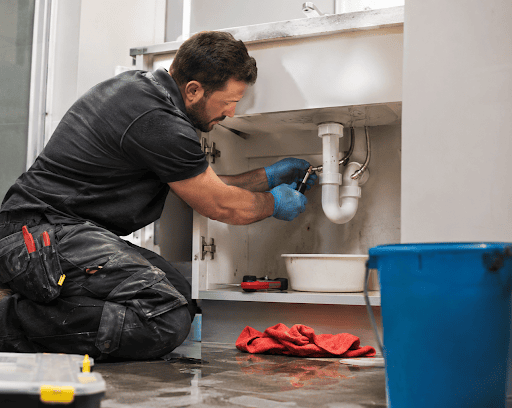
Does Plumbers’ Public Liability Insurance Cover Water Damage?
Water damage is one of the risks plumbers face when working in customers’ homes and commercial properties. Whether installing a new bathroom, repairing a leaking pipe or replacing a heating system, an unexpected escape of water can cause damage beyond the original plumbing work. A loose connection, damaged pipe or installation issue could result inRead more Read more about this post

What Insurance Do Electrical Contractors Need for Commercial Projects?
Working on commercial electrical projects can involve different responsibilities from carrying out smaller domestic installations. Whether you’re installing electrical systems in an office, maintaining equipment in a warehouse or working as a subcontractor on a construction site, understanding your insurance requirements is an important part of managing business risks. Commercial clients and main contractors mayRead more Read more about this post

Labour Only vs Bona Fide Subcontractors
What’s the difference? And why so many people are getting this wrong. So, let’s look at the two What is bona fide subcontracted? Simple this is someone you ask to complete a job for you, but not in connection with your company. A Bona Fide Subcontractor: Is only affiliated to your firm through you passingRead more Read more about this post

What Insurance Do I Need to Work on a Construction Site?
If you work on construction sites, you may be asked to provide proof of insurance before you are allowed to start work. The insurance you need will depend on several factors, including whether you are self-employed, employ other people, work as a subcontractor or main contractor, the type of work you undertake and the requirementsRead more Read more about this post

Does Public Liability Insurance Cover Accidental Damage?
If you accidentally damage someone else’s property while carrying out your work, you may wonder whether your public liability insurance could cover the cost. The short answer is that public liability insurance may cover certain types of accidental damage to third-party property, but it does not cover every accident or every type of property damage.Read more Read more about this post

