Beauty Insurance for Freelance Artists vs Studio Owners: What’s the Difference?
Whether you are a self-employed beauty therapist, a mobile beautician, or managing a beauty salon, understanding the differences in beauty insurance for freelance artists vs studio owners can help you consider what level of protection may be appropriate for your business.
This guide outlines key differences in beauty insurance, including how cover may vary depending on your working setup, the services offered, and the risks involved. This is general information only and does not constitute advice.
What it may cover
Working in the beauty industry, whether independently or as part of a salon, can involve a range of risks from accidental injury to property damage or client claims following beauty treatments.
Insurance is designed to provide a level of financial protection (indemnity) against certain insured events, subject to policy terms, conditions and exclusions.
Common types of beauty insurance cover include:
Public liability insurance
Public liability or public liability cover may provide protection if a client or third party suffers injury or property damage in connection with your work. For example, a client slipping in a business premises or an accident during treatment.
Treatment risk cover
Also referred to as treatment cover, this may relate specifically to the beauty treatments you provide. This could include situations such as an allergic reaction to beauty products or complications requiring medical attention.
Professional indemnity insurance
Professional indemnity is one example of indemnity and is typically arranged on a claims-made basis. It may provide protection where a client alleges that your professional service caused harm or dissatisfaction, for example, issues arising from advice or treatment outcomes. The intention is to restore the insured to their position prior to the loss, rather than provide profit or gain. This may include associated legal costs or compensation claims, subject to the policy.
Product liability insurance
Sometimes referred to as ‘products liability’, this may be relevant if you sell or supply beauty products. It may provide protection if a product causes injury or damage after it has been sold.
Employers liability insurance
If you employ staff, employers’ liability insurance is a legal requirement under UK law, with a minimum level of £5 million cover (though many insurers provide £10 million as standard). It may provide protection if employees are injured or become ill as a result of their work.
Equipment and contents cover
Equipment cover or contents cover may help protect essential tools and items used in your hair and beauty work against risks such as theft or damage.
Business interruption
This type of cover may provide support if your business is temporarily unable to operate due to an insured event, though not all policies include this as standard.
Key differences: Freelance artists vs studio owners
Freelance beauty therapists / mobile beauticians
For a sole trader or mobile professional, such as a freelance beauty therapist, insurance may focus on:
- Flexibility across multiple locations
- Lower levels of business premises risk
- Cover for transporting equipment
- Protection for working in clients’ homes or rented spaces
Policies such as beauty therapist insurance or hair and beauty insurance may be tailored to reflect mobile working arrangements.
Studio owners / salon businesses
For salon owners operating from a fixed beauty salon, insurance considerations may be broader and could include:
- Responsibility for a physical property or rented premises
- Higher footfall from customers
- Employment of staff (triggering employers’ liability)
- Increased exposure to property damage or client claims
- Potential additional costs linked to maintaining a premises
A beauty business insurance or beauty insurance policy for a salon may therefore include a wider range of covers.
Common exclusions
Even with specialist cover, policies will include exclusions. These may vary but could include:
- Treatments not declared to insurers
- Failure to meet safety standards or regulatory compliance
- Deliberate acts or negligence
- General wear and tear of equipment
- Certain types of financial loss (where this refers to uninsured business losses rather than insured events)
Understanding exclusions is important when comparing different types of insurance.
Who it could be suitable for
Beauty insurance may be relevant for:
- Freelance or self employed professionals
- Mobile beauticians and home-based businesses
- Salon owners and those renting business premises
- Individuals offering a range of hair and beauty services
The right cover will depend on your services, working environment, and the level of risk involved in your day-to-day job.
Costs & factors
The beauty insurance cost can vary depending on several factors, including:
- The type of beauty treatments provided
- Whether you are mobile or salon-based
- Number of employees
- Value of equipment and contents
- Claims history and level of coverage selected
Some landlords or local authorities may require minimum levels of liability insurance as part of rental or licensing agreements.
How SP Insurance can help
SP Insurance Services Limited can help businesses in the beauty trade explore options for beauty insurance cover, whether you are working independently or running a salon.
We work with a panel of insurers and can help you compare hair and beauty insurance options that may be suitable for both you and your business, subject to underwriting criteria.
If you would like to discuss your requirements or access more information, get in touch. We aim to help you understand your options so you can consider the right insurance for your circumstances.
Disclaimer: This content is for general information only and does not constitute advice. Cover is subject to the terms, conditions and exclusions of your policy. Availability and eligibility vary by insurer and circumstance.
Disclaimer: The information, examples, and scenarios provided in this blog are for general guidance and illustrative purposes only. They do not constitute advice or a guarantee of coverage, benefits, or outcomes. Insurance cover is subject to the specific terms, conditions, exclusions, and limitations set out in each individual policy. The availability of coverage and the outcome of any claim will depend on the facts of each case, the type of policy held, and applicable UK regulations. For information specific to your circumstances, please refer to your policy documents or speak with your insurance adviser.
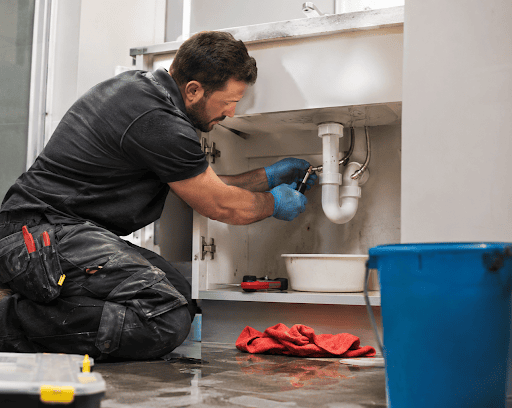
Does Plumbers’ Public Liability Insurance Cover Water Damage?
Water damage is one of the risks plumbers face when working in customers’ homes and commercial properties. Whether installing a new bathroom, repairing a leaking pipe or replacing a heating system, an unexpected escape of water can cause damage beyond the original plumbing work. A loose connection, damaged pipe or installation issue could result inRead more Read more about this post

What Insurance Do Electrical Contractors Need for Commercial Projects?
Working on commercial electrical projects can involve different responsibilities from carrying out smaller domestic installations. Whether you’re installing electrical systems in an office, maintaining equipment in a warehouse or working as a subcontractor on a construction site, understanding your insurance requirements is an important part of managing business risks. Commercial clients and main contractors mayRead more Read more about this post

Labour Only vs Bona Fide Subcontractors
What’s the difference? And why so many people are getting this wrong. So, let’s look at the two What is bona fide subcontracted? Simple this is someone you ask to complete a job for you, but not in connection with your company. A Bona Fide Subcontractor: Is only affiliated to your firm through you passingRead more Read more about this post

What Insurance Do I Need to Work on a Construction Site?
If you work on construction sites, you may be asked to provide proof of insurance before you are allowed to start work. The insurance you need will depend on several factors, including whether you are self-employed, employ other people, work as a subcontractor or main contractor, the type of work you undertake and the requirementsRead more Read more about this post

Does Public Liability Insurance Cover Accidental Damage?
If you accidentally damage someone else’s property while carrying out your work, you may wonder whether your public liability insurance could cover the cost. The short answer is that public liability insurance may cover certain types of accidental damage to third-party property, but it does not cover every accident or every type of property damage.Read more Read more about this post

